
SMART Recovery Treatment Programs
SMART Recovery (Self-Management and Recovery Training) offers a science-based alternative to 12-step programs, focusing on self-empowerment, motivation, coping with urges, managing thoughts and behaviors, and balanced living.
Found 300 treatment centers offering smart recovery across the United States.
Need Help Finding the Right Treatment Center?
Speak with a compassionate specialist now - 100% free & confidential
Showing 6 of 300 smart recovery treatment centers
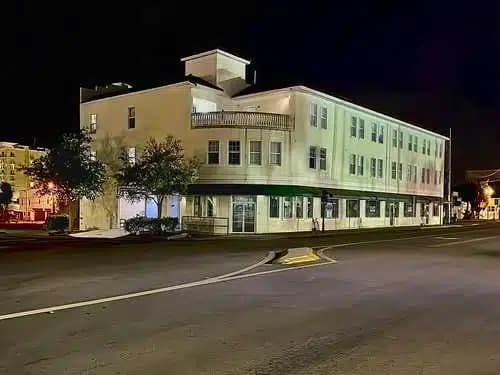
Dare U to Care Outreach Ministry, based in Los Angeles, CA, is dedicated to offering a complete range of substance use treatment and transitional housing in a supportive atmosphere. Our facility provides long-term residential care, ensuring 24-hour support for adult men and women, as well as young adults, who have faced intimate partner violence or domestic violence. At our center, we tailor our specialized programs to effectively meet individual needs, emphasizing 12-step facilitation, anger management, and brief interventions. We pride ourselves on our commitment to delivering quality care, and our mission is to help clients achieve lasting recovery and successfully rebuild their lives.
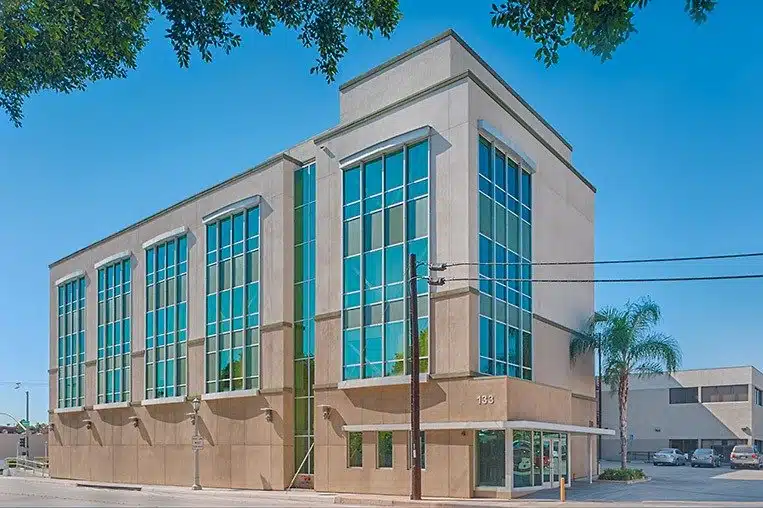
Dedicato Treatment Center, situated in Pasadena, CA, is dedicated to providing comprehensive substance use treatment for both adults and young adults. The center offers a range of options, including intensive outpatient treatment, outpatient services, and outpatient day treatment. They emphasize effective methods such as 12-step facilitation, anger management, and cognitive behavioral therapy, ensuring that each program is tailored to meet the unique needs of every individual. Dedicato specializes in caring for adult men, adult women, and clients who have faced trauma, offering gender-specific care to enhance the support provided. Their commitment to quality services and diverse treatment approaches truly makes Dedicato Treatment Center a leading choice for anyone seeking effective and personalized addiction treatment in the Pasadena area.
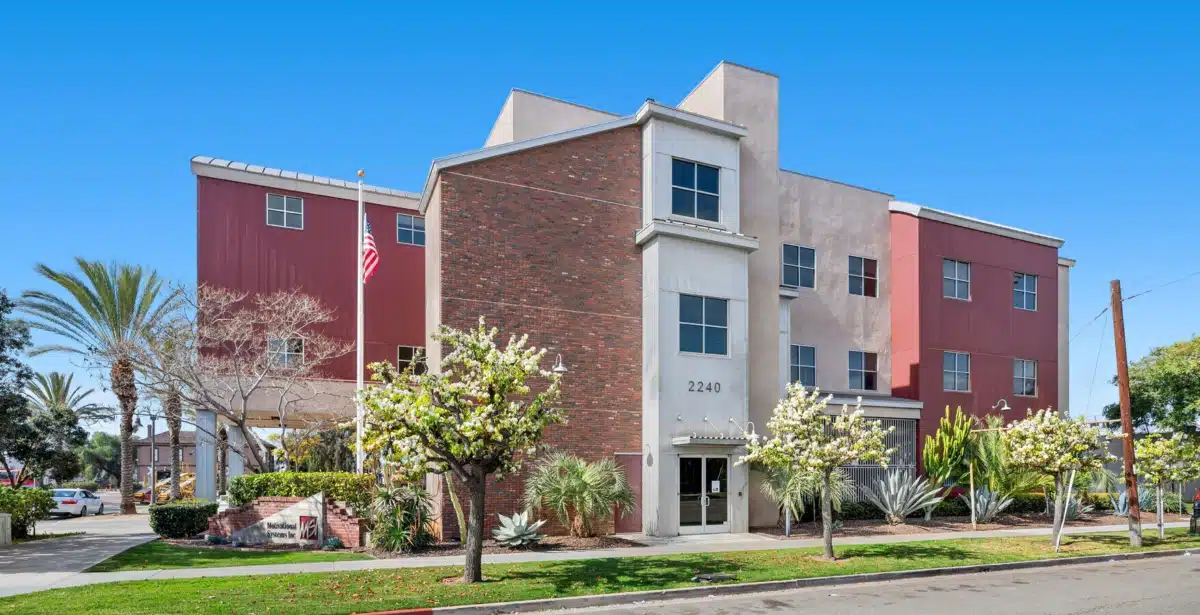
Deaf Community Services of San Diego, situated in beautiful San Diego, CA, specializes in providing substance use treatment for both adults and young adults. Our primary focus is on intensive outpatient services, as well as regular outpatient options. We take pride in using evidence-based strategies like 12-step facilitation, brief intervention, and cognitive behavioral therapy to support our clients. We understand that each person's journey is unique, which is why we offer tailored programs designed specifically for adult men, adult women, and those who have experienced trauma. Our center fosters a supportive and inclusive atmosphere, welcoming both male and female clients. At Deaf Community Services of San Diego, we are dedicated to delivering high-quality care and personalized treatment plans. Our goal is to empower individuals as they navigate their path to recovery.
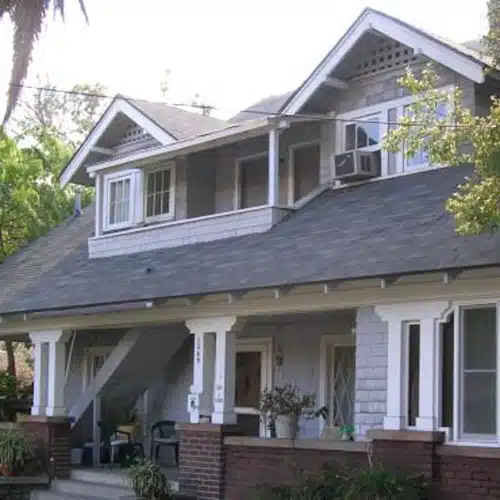
Crossroad Transitional Inc, located in Northridge, CA, provides a wide range of rehabilitation services specifically designed for adults and young adults facing substance use issues and co-occurring mental health disorders. The facility features specialized programs catering to the unique needs of active duty military personnel, as well as adult men and women. Patients can receive hospital inpatient detoxification and treatment, benefiting from various approaches, including 12-step facilitation, anger management, and brief interventions. By offering gender-specific care, Crossroad ensures a nurturing environment for all clients. With a strong emphasis on high-quality, individualized treatment, this center has earned a reputation as a trusted option for those seeking effective and compassionate support in their journey to recovery from addiction.
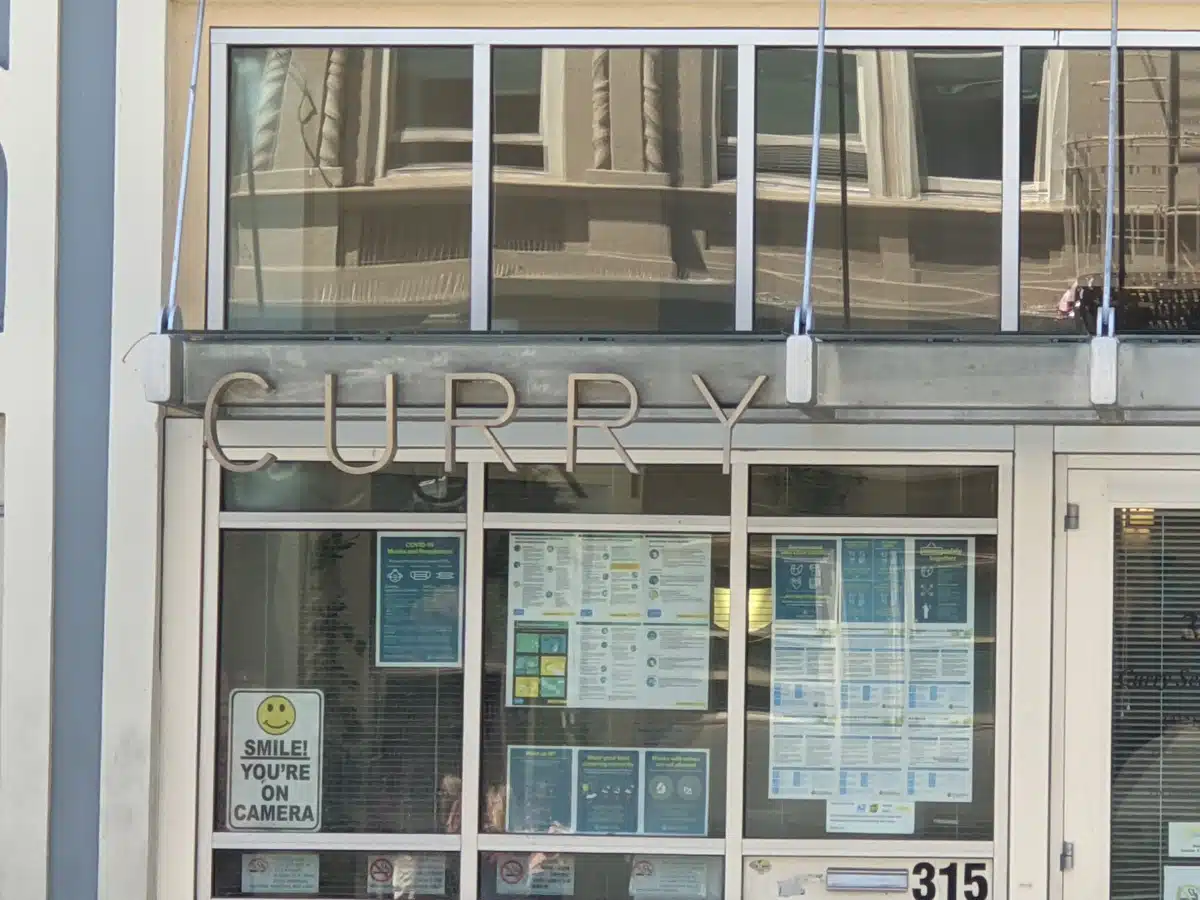
Curry Senior Center, situated in the heart of San Francisco, CA, is dedicated to providing outpatient substance use treatment and specialized care for adults grappling with serious mental health issues. Our center employs a variety of effective strategies, including brief interventions, cognitive behavioral therapy, and motivational interviewing, to create a supportive environment for recovery. We understand that each person's journey is unique, which is why we offer specialized programs for those who have faced intimate partner violence, domestic violence, sexual abuse, and trauma. Our services are designed to serve adult clients of all genders, ensuring that everyone receives the personalized care they deserve, with a strong emphasis on holistic healing. At Curry Senior Center, our commitment to quality and compassion truly sets us apart. We strive to provide comprehensive support for individuals seeking treatment and rehabilitation, helping them navigate their paths to recovery with dignity and respect.

Crossroads Foundation, located in San Diego, CA, is dedicated to providing specialized long-term residential treatment for adults dealing with substance use and serious co-occurring mental health issues, as well as addressing serious emotional disturbances in children. Our center offers 24-hour care that incorporates methods such as 12-step facilitation, anger management, and brief interventions. While we focus on adult women, our program is also designed to support seniors and young adult females. What sets Crossroads Foundation apart is our commitment to creating personalized care plans. We understand that each individual's journey is unique, and we strive to offer comprehensive support for those facing complex challenges. Our nurturing environment is designed to foster sustainable recovery and help our clients thrive.
Frequently Asked Questions
About SMART Recovery
SMART Recovery (Self-Management and Recovery Training) is a science-based mutual support program founded in 1994 as an alternative to 12-step programs. Using cognitive-behavioral and motivational approaches, SMART empowers individuals with practical tools and techniques for overcoming addiction. Meetings are free, available worldwide both in-person and online, and address all types of addictions.
The SMART 4-Point Program
SMART Recovery focuses on four essential points:
- Point 1: Building Motivation: Identifying reasons for change, exploring costs and benefits, setting goals, strengthening commitment
- Point 2: Coping with Urges: Managing cravings using techniques like urge surfing, distraction, delay, and challenging irrational beliefs
- Point 3: Managing Thoughts, Feelings, Behaviors: Using Rational Emotive Behavior Therapy (REBT) to challenge irrational beliefs and develop rational thinking
- Point 4: Living a Balanced Life: Creating healthy, values-based lifestyle supporting recovery without extreme deprivation or indulgence
SMART Tools and Techniques
SMART teaches specific, practical tools including Cost-Benefit Analysis for decision-making, ABC tool (Activating event, Beliefs, Consequences) for understanding emotional and behavioral responses, DISARM (Destructive Images and Self-talk Awareness and Refusal Method) for managing urges, and Hierarchy of Values for making decisions aligned with what matters most. These evidence-based techniques come from cognitive-behavioral therapy.
Key Differences from 12-Step Programs
SMART emphasizes self-empowerment rather than powerlessness, uses science-based rather than spiritual approaches, doesn't require labels or lifetime attendance, addresses all addictions together rather than separately, employs facilitators rather than sponsors, and supports various recovery goals including abstinence or moderation (though abstinence is generally recommended for substance addiction). Some people benefit from both SMART and 12-step approaches.
Accessibility and Format
SMART meetings are available in-person globally and online 24/7, making support accessible regardless of location or schedule. Online meetings are particularly valuable for those in rural areas, with mobility limitations, or preferring anonymity. Meetings typically last 90 minutes, are facilitated by trained volunteers, and focus on teaching tools and applying them to participant concerns through collaborative problem-solving.
SMART Recovery resources: